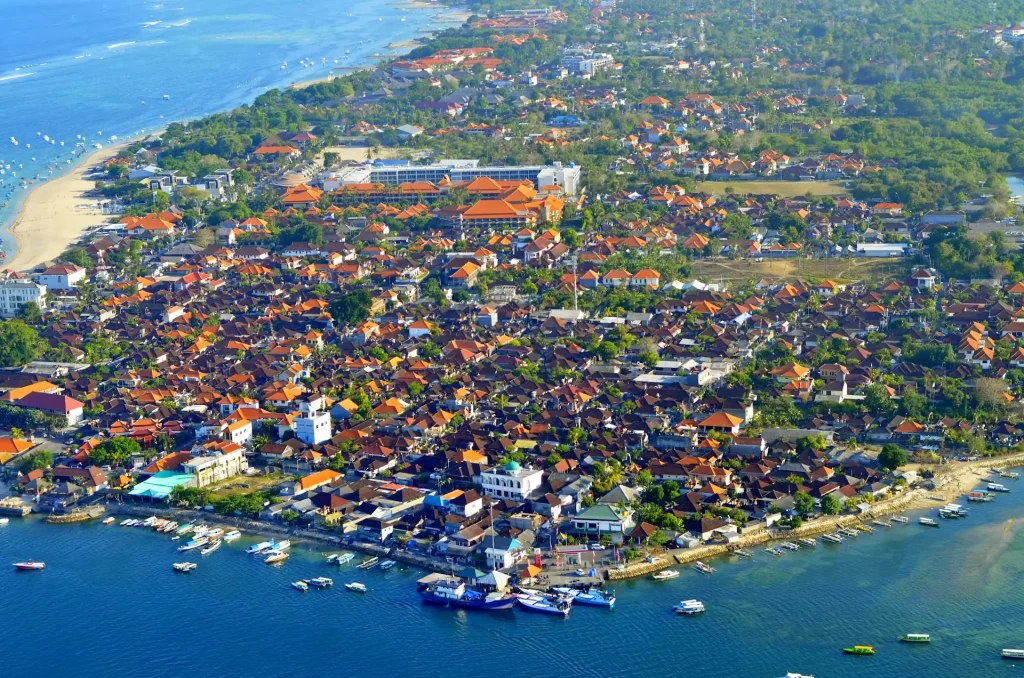
Weather in Bali: Month-by-Month Guide from January to December
Planning a trip to Bali? Understanding the weather in Bali can help you choose the best time to visit, pack appropriately, and make the most of your holiday. Thanks to its tropical climate, the island enjoys warm temperatures throughout the year, while rainfall, humidity, and sunshine vary from month to month. These seasonal changes can influence everything from beach days and surfing conditions to hiking, sightseeing, and other outdoor activities.
Here’s what you can expect in Bali from January through December.
Bali Weather at a Glance
Bali has two main seasons:
Dry Season (April to October): Sunny days, lower humidity, and ideal conditions for outdoor activities.
Rainy Season (November to March): Higher humidity with tropical showers, usually in the afternoon or evening.
Average temperatures remain fairly consistent throughout the year, typically ranging from 24°C to 31°C (75°F to 88°F).
Weather in Bali by Month
January
January is one of the wettest months of the year, with warm temperatures ranging from 24–27°C and around 296 mm of rainfall on average. Tropical showers are common, but they usually arrive in the afternoon or evening rather than lasting all day. The island becomes incredibly lush, with vibrant rice terraces and flowing waterfalls at their best.
While beach days may require a flexible schedule, January is perfect for wellness retreats, spa treatments, café hopping, museum visits, and exploring Bali’s rich cultural attractions.
February
The weather in Bali during February remains warm, with temperatures between 24–27°C, as the rainy season continues. Rainfall is still relatively high, although showers become slightly less frequent than in January. The landscape stays beautifully green, making it an excellent month for photography and nature lovers.
Visitors can enjoy peaceful yoga retreats, waterfall excursions, and quieter tourist attractions while taking advantage of lower accommodation prices.
March
March signals the transition from the rainy season to the dry season. Average temperatures remain comfortable at 24–27°C, while rainfall gradually decreases and sunny days become more frequent. The island still showcases lush tropical scenery after months of rain, creating ideal conditions for sightseeing.
It’s a wonderful time to visit temples, drive through Bali’s scenic countryside, or enjoy outdoor activities without the peak-season crowds.
April
April marks the official beginning of Bali’s dry season. Temperatures range from 25–28°C, humidity becomes more comfortable, and rainfall drops significantly.
Longer sunny days make it one of the best months for outdoor adventures, whether you’re relaxing on the beach, snorkelling in crystal-clear waters, or exploring iconic landmarks. The pleasant weather also makes sightseeing much more enjoyable across the island.
May
Many travellers consider May one of the best times to experience the weather in Bali. With temperatures averaging 25–27°C, low rainfall, and comfortable humidity, conditions are ideal for exploring the island before the busy holiday season begins.
Beaches are quieter, landscapes remain green, and outdoor activities such as surfing, hiking, photography, and island hopping can be enjoyed in excellent weather.
June
June offers some of Bali’s most comfortable weather, with temperatures between 24–27°C, low rainfall, and refreshing coastal breezes. Clear skies create ideal conditions for beach holidays, diving, and exploring Bali’s natural beauty.
As visitor numbers begin to increase, the island comes alive while still maintaining a relaxed atmosphere, making June a fantastic month for sunset dinners and outdoor adventures.
July
July is one of Bali’s coolest and driest months, with average temperatures ranging from 23–26°C and very little rainfall. Sunny days and low humidity make it perfect for spending long hours outdoors, whether you’re surfing, hiking, or relaxing at beach clubs. As July coincides with international school holidays, it is also one of the busiest months, so booking accommodation and activities in advance is highly recommended.
August
August continues the beautiful dry-season conditions experienced in July. Temperatures remain pleasant at 23–26°C, while rainfall reaches its lowest point of the year.
Clear skies and gentle breezes make this an excellent month for exploring every part of Bali, from mountain villages to coastal destinations. It’s particularly popular for diving, scenic road trips, and outdoor adventures.
September
September remains part of Bali’s dry season, offering temperatures between 23–26°C with consistently low rainfall. While the weather stays excellent, visitor numbers begin to decline after the peak holiday period.
This combination of sunny days and fewer crowds makes September especially appealing for honeymooners, photographers, and travellers looking for a more relaxed island experience.
October
October brings the first signs of Bali’s seasonal transition. Average temperatures range from 24–27°C, and while most days remain sunny, occasional afternoon showers begin to return.
The weather is still favourable for surfing, sightseeing, and exploring Bali’s countryside, making October an excellent shoulder-season month with a balance of pleasant weather and fewer tourists.
November
November marks the return of the rainy season, with temperatures averaging 24–28°C and higher humidity throughout the island. Rainfall becomes more frequent, but showers are often followed by sunny periods, especially in the mornings.
Visitors can still enjoy cultural attractions, museums, cafés, wellness retreats, and other indoor experiences while appreciating Bali’s increasingly lush tropical scenery.
December
December brings warm temperatures of 24–27°C, frequent tropical showers, and a festive atmosphere as Christmas and New Year celebrations begin. Although rainfall is relatively high, there are still many sunny intervals suitable for sightseeing and beach visits.
December is a popular month for family holidays and luxury resort stays, with vibrant events, holiday decorations, and lively nightlife adding to Bali’s year-end charm.
Best Time to Visit Bali
The best time depends on your travel style.
April to October (Dry Season)
If you’re looking for reliable sunshine and outdoor adventures, this is generally considered the best period. Conditions are ideal for:
Beach holidays
Surfing
Diving and snorkelling
Hiking Mount Batur
Visiting temples and waterfalls
Keep in mind that July and August are the busiest months, so booking accommodation early is recommended.
November to March (Rainy Season)
The rainy season offers a different side of Bali. Although tropical showers are more frequent, they often arrive in the afternoon and pass quickly.
Travelling during these months comes with several advantages:
Lower accommodation prices
Fewer crowds outside the Christmas period
Lush rice terraces and vibrant landscapes
Great opportunities for spa treatments, yoga, and cultural experiences
Source: Unsplash
What to Pack for Bali Weather
Packing for Bali is relatively simple thanks to its warm tropical climate.
Bring:
Lightweight, breathable clothing
Comfortable sandals
Swimwear
Reef-safe sunscreen
Sunglasses and a hat
Reusable water bottle
Light rain jacket or compact umbrella (especially between November and March)
If you plan to visit temples, pack clothing that covers your shoulders and knees or bring a sarong.
Source: Unsplash
Final Thoughts
The weather in Bali makes the island a fantastic destination throughout the year. The dry season offers sunshine and ideal beach conditions, while the rainy season rewards visitors with quieter attractions, greener scenery, and attractive travel deals. No matter when you visit, Bali’s warm temperatures, beautiful landscapes, and welcoming culture ensure there’s always something memorable to experience.
After a day of exploring Bali’s beaches, waterfalls, or cultural landmarks, slow down and enjoy a meal by the ocean at Laidback Restaurant Nusa Dua with a View. It’s the perfect place to unwind with fresh food, sea views, and one of Bali’s unforgettable sunsets before planning your next island adventure.